Discover German Diner
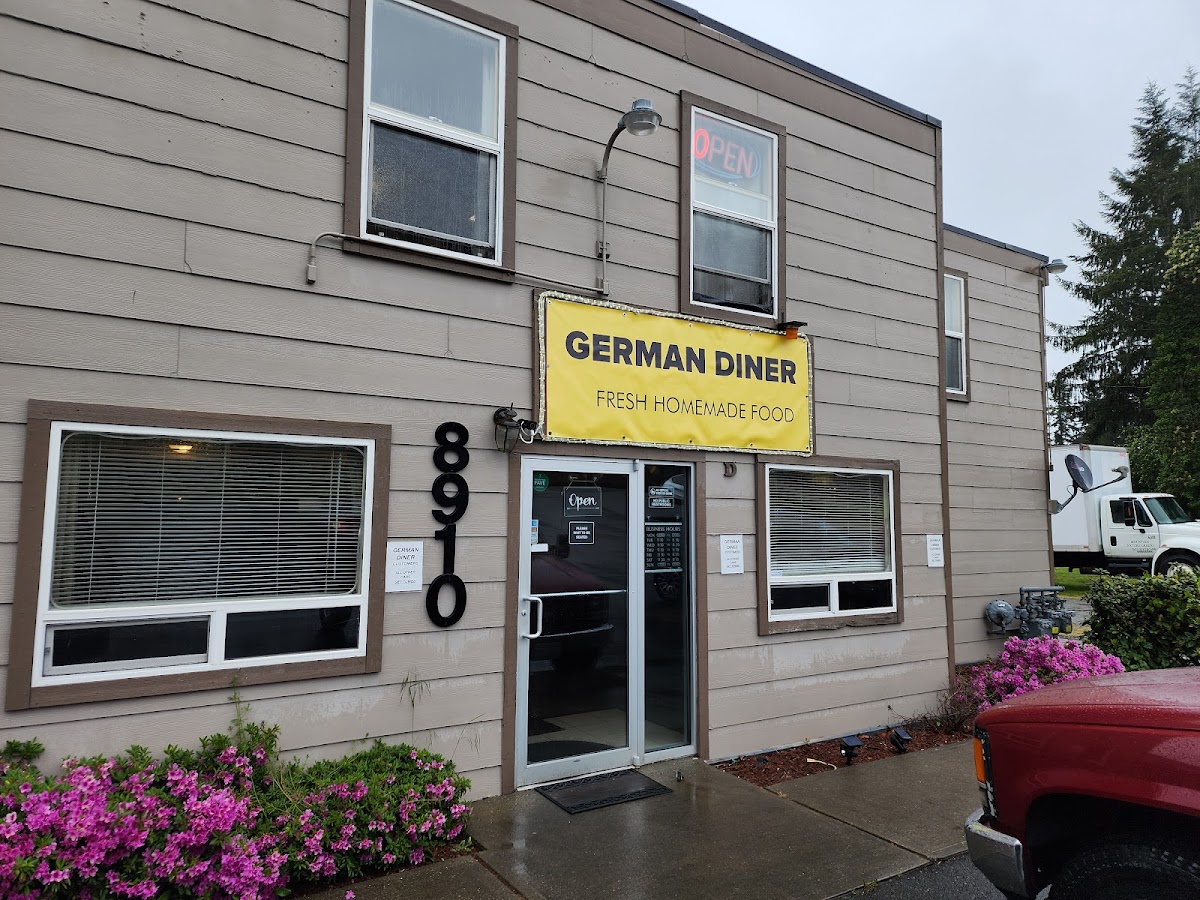
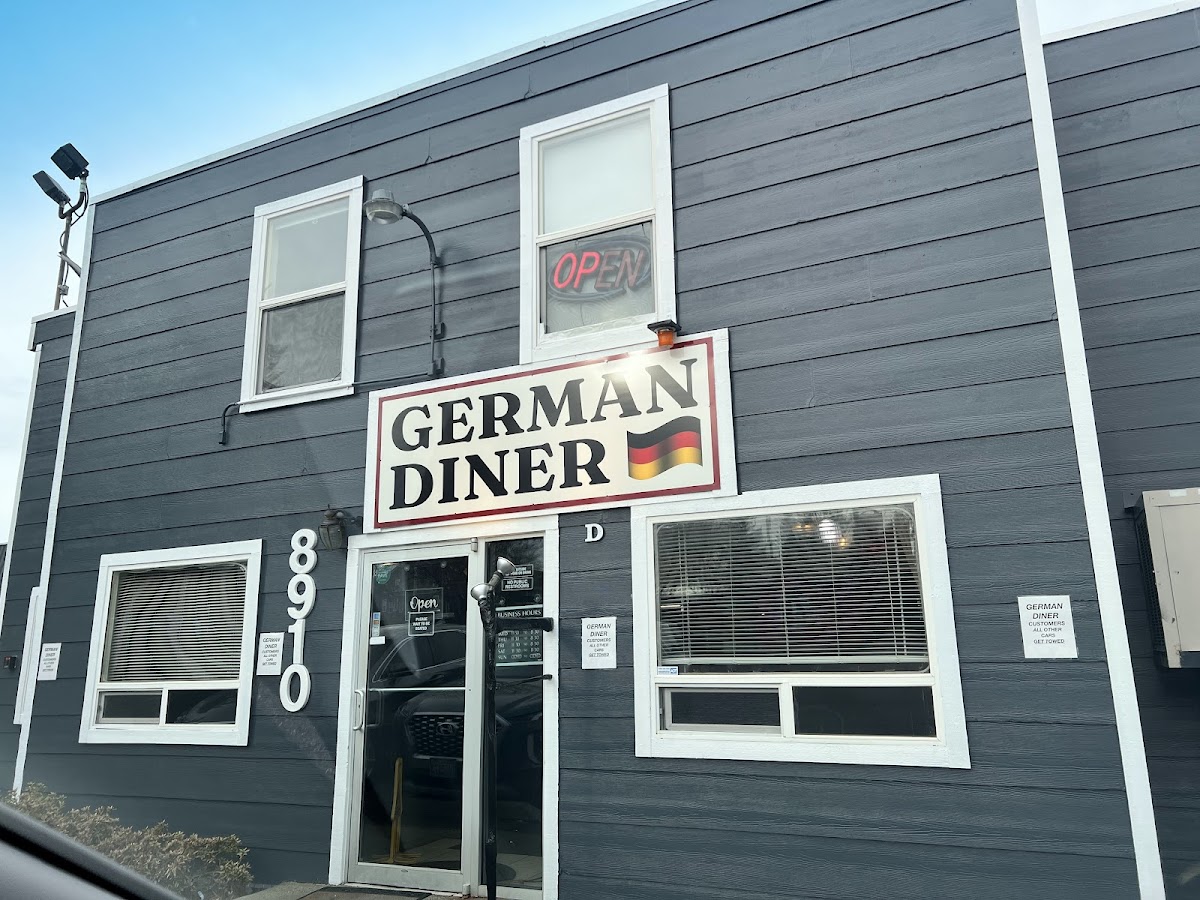
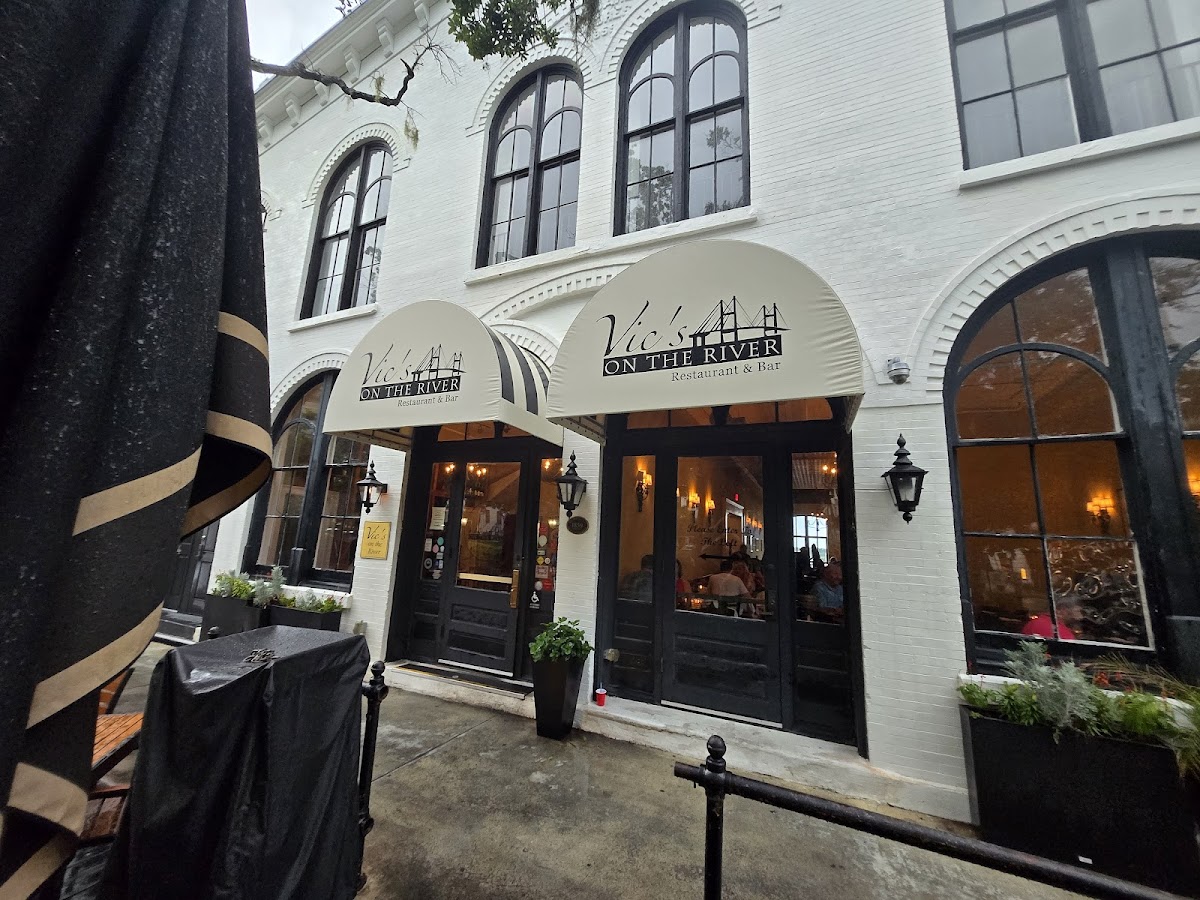
Walking into a German Diner like this feels less like visiting a restaurant and more like being welcomed into a neighbor’s kitchen, especially when it’s tucked along 8910 Martin Way E, Lacey, WA 98516, United States. The moment you sit down, the smells of toasted rye, slow-simmered meats, and buttered potatoes hit you, and suddenly time slows in the best way. I’ve eaten my way through plenty of European-style diners over the years, and what stands out here is how confidently traditional flavors are handled without feeling stiff or old-fashioned.
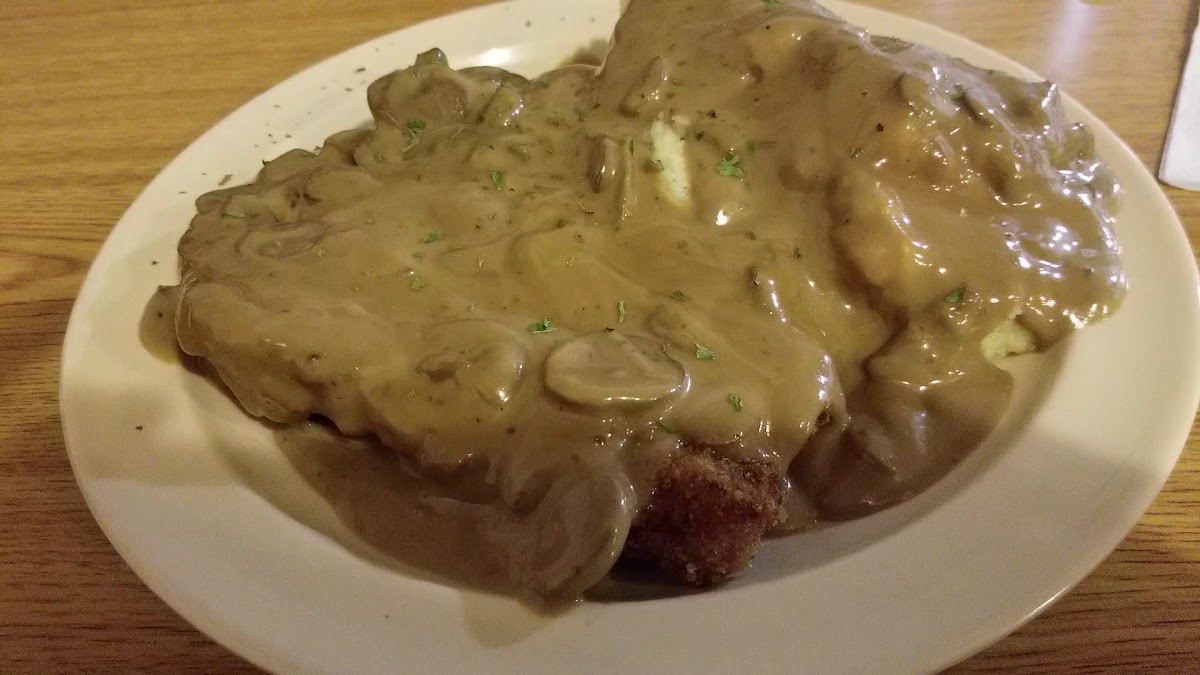
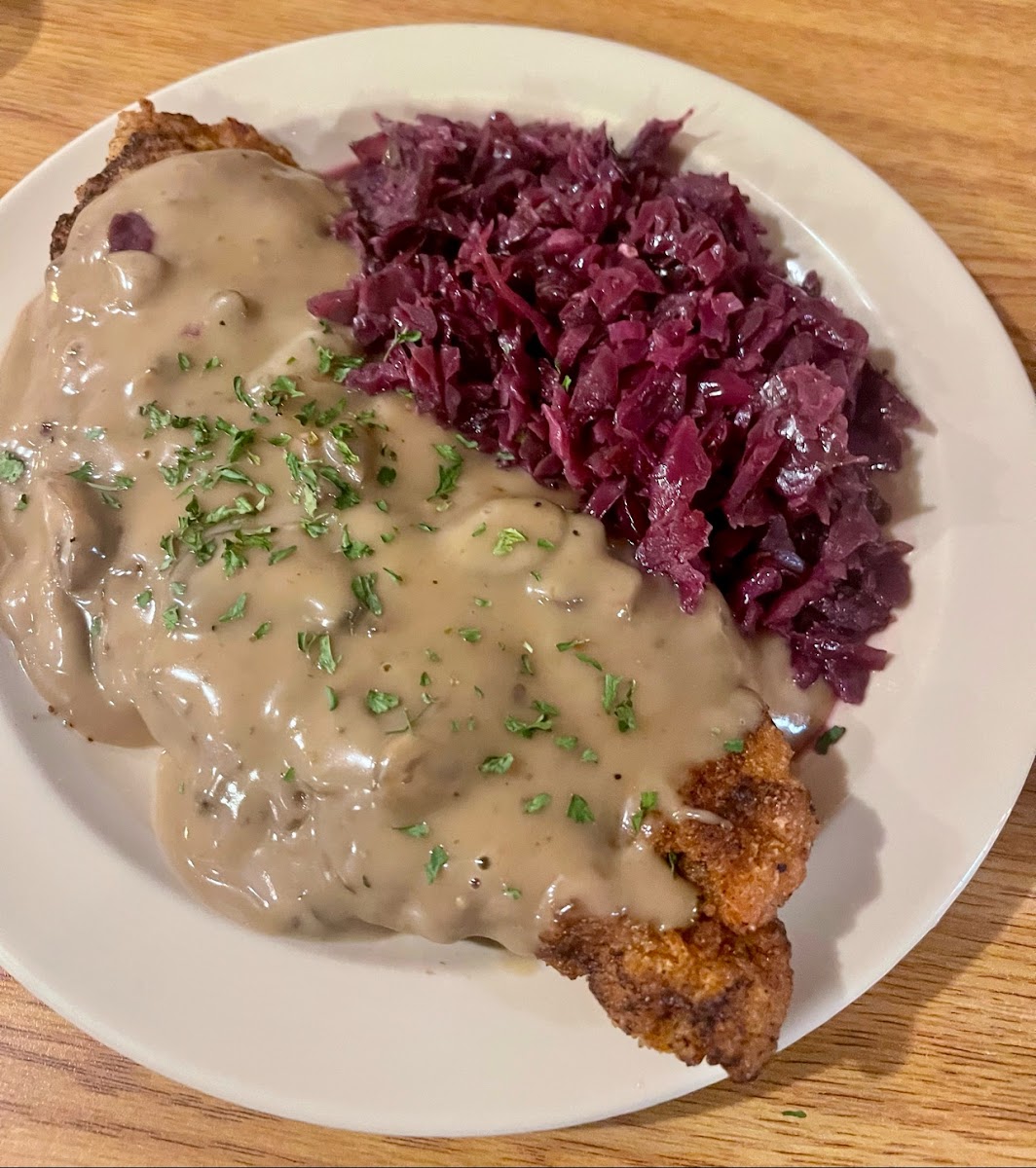
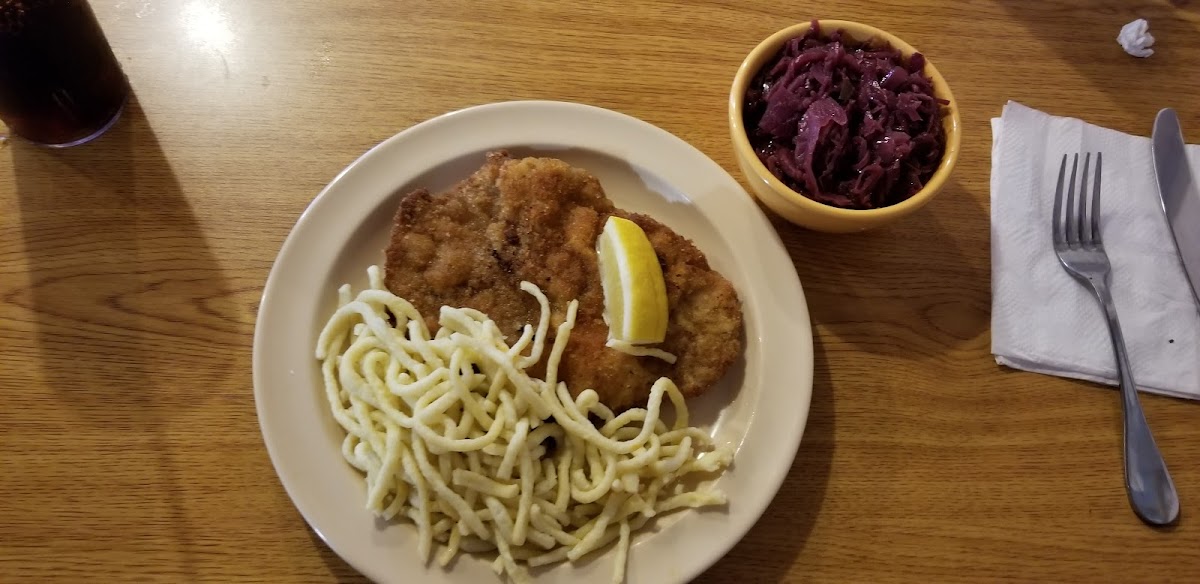
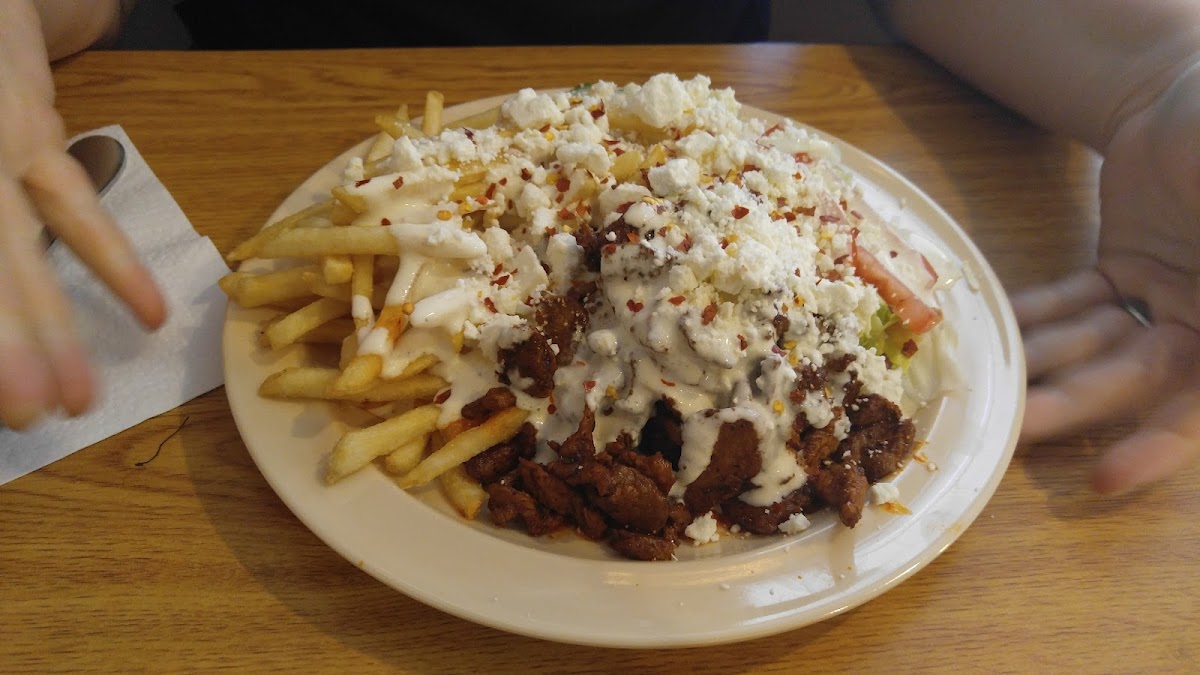
From personal experience, the menu reads like a tour through classic comfort food, but everything arrives with a freshness that tells you the kitchen respects the process. Sausages aren’t rushed; they’re seasoned carefully and cooked until the casing snaps just right. Sauerkraut tastes bright instead of sour, a sign it’s been fermented properly and warmed gently rather than boiled into submission. One of the servers once explained how the kitchen simmers certain dishes in small batches throughout the day, which mirrors the method used in many family-run eateries across southern Germany. That attention shows up on the plate.
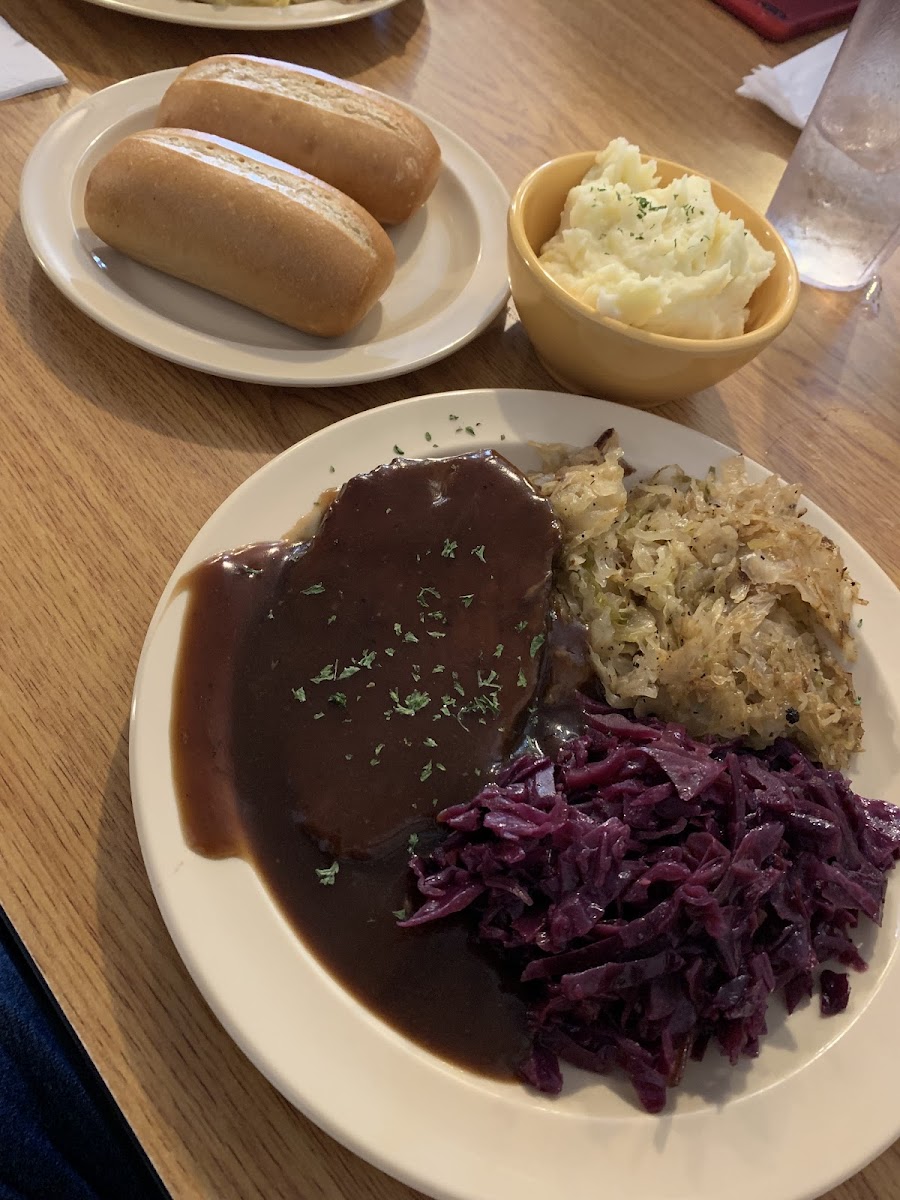
There’s a reason German diners around the world rely on bread as a centerpiece. According to the German Bread Institute, Germany is home to more than 3,000 officially recognized bread varieties, a number often cited by food historians and culinary schools. You can taste that heritage here in the dense loaves and soft rolls that arrive warm, meant to soak up gravy or hold slices of bratwurst. Pairing bread with hearty dishes isn’t just tradition; it’s practical nutrition, offering slow-burning energy that made sense for labor-intensive lifestyles and still satisfies today.
What really grounds the experience is the balance between authenticity and approachability. Not everyone walking through the door knows the difference between schnitzel styles or regional sausages, and that’s okay. The staff is happy to explain how a dish is prepared or suggest something milder for first-timers. That kind of guidance builds trust, and it’s reflected in local reviews that often mention friendly service alongside generous portions. People don’t just come once; they come back with friends, which says more than any rating ever could.
I once spoke with a regular who drives in weekly from a neighboring town, purely for the potato pancakes. He compared them to what his grandmother made, crisp on the outside and tender inside, served with applesauce rather than anything fancy. That comparison matters. Food researchers often point out that memory and taste are closely linked, and familiar flavors can trigger strong emotional responses. When a dish sparks that reaction, it’s doing something right.
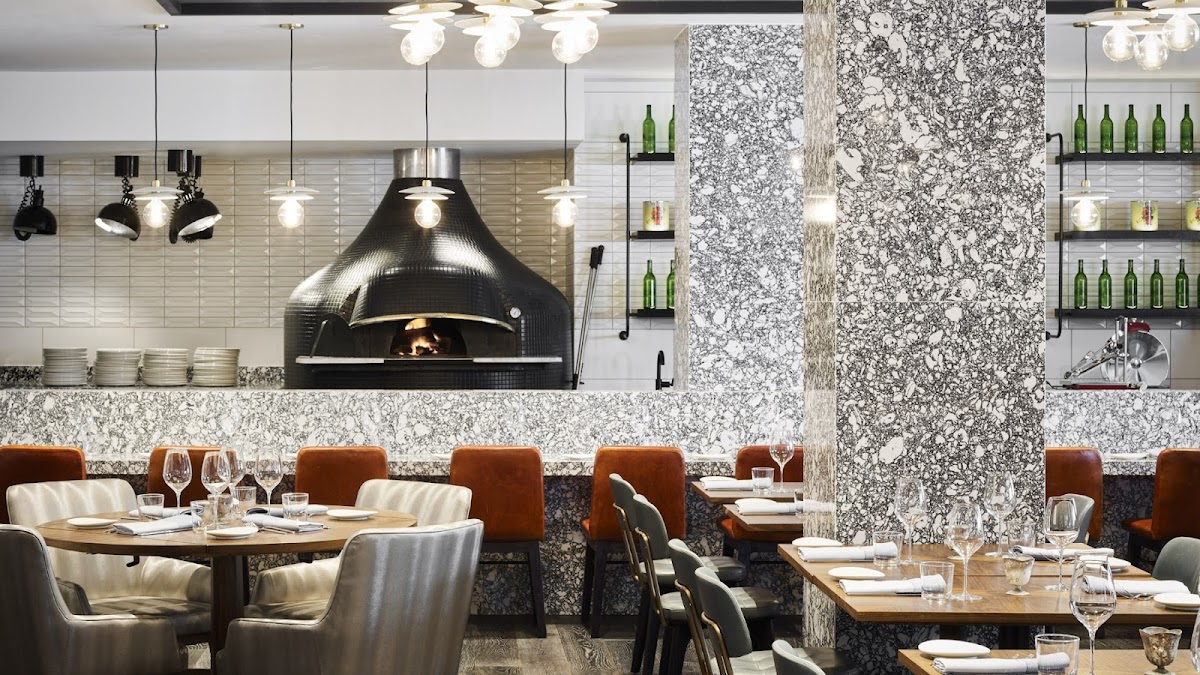
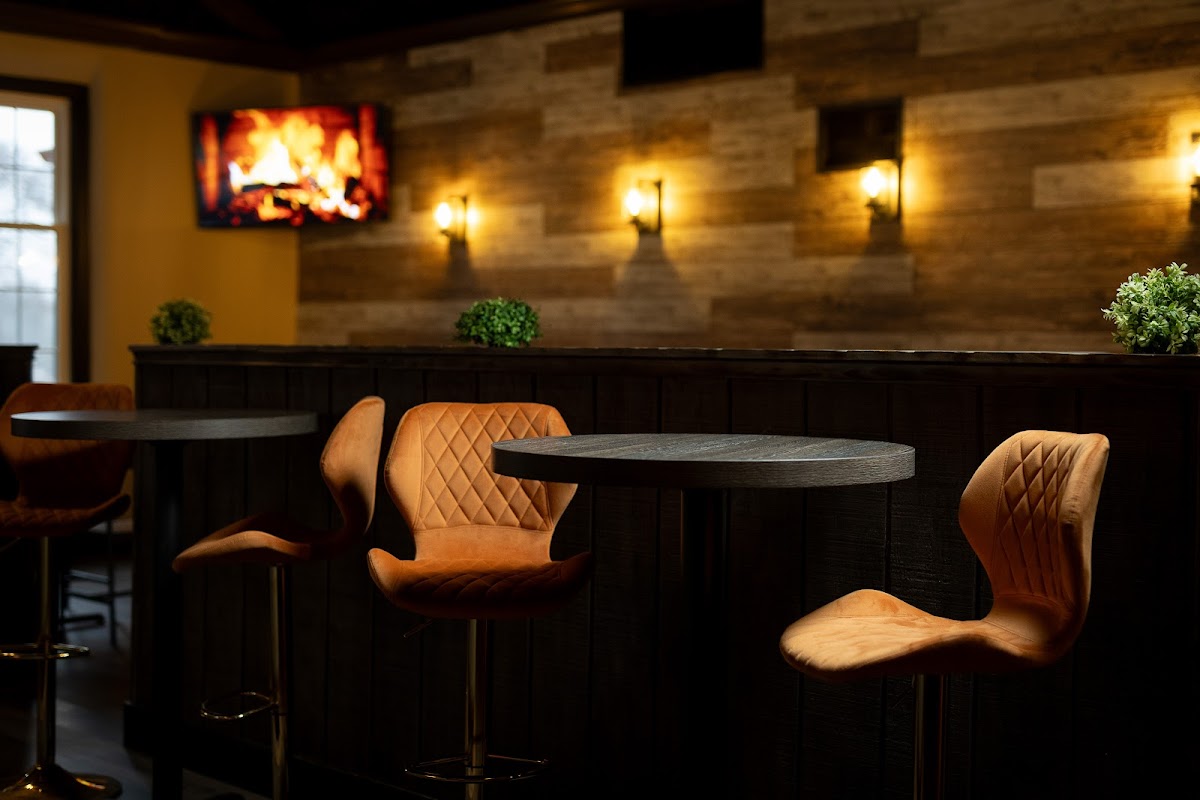
The diner setup also plays a role in why this place works. Open seating, simple décor, and a menu that doesn’t overwhelm make it easy to relax. You’re not here to rush through a meal; you’re here for homestyle cooking that sticks with you long after the plate is cleared. Portions are filling without being excessive, and you leave feeling satisfied rather than weighed down.
There are limits, of course. If you’re looking for ultra-modern interpretations or fusion twists, this may not be the spot. The focus stays firmly on tried-and-true recipes, and that’s intentional. Culinary organizations like the German Culinary Institute often emphasize preserving traditional techniques as a way of maintaining cultural identity, and that philosophy is clearly in play here.
Between the carefully prepared menu, consistent reviews, and the lived-in feel of the dining room, this diner earns its reputation the honest way. It doesn’t chase trends or overpromise. It simply serves food rooted in history, prepared with care, and shared in a space where people feel comfortable lingering over the last bite.